
Blog
Essential Protective Gear for Kickboxing


[vc_row][vc_column][vc_column_text css=””]Kickboxing is a powerful blend of athleticism, technique, and raw intensity. But no matter your level, beginner or seasoned fighter, safety comes first. Whether you are sparring, drilling, or hitting the bag, using the right kickboxing protective gear is critical not just to prevent injuries but to boost your performance and longevity in the sport. Let’s break down why protective gear matters and guide you through the essential equipment from head to toe.
Why Protective Gear Is Crucial in Kickboxing
Kickboxing is a full-contact sport involving powerful punches, kicks, knees, and sometimes elbows. That means the risk of injury is very real, especially during sparring or high-intensity training.
Here is why proper gear is non-negotiable:
- Prevents common injuries such as cuts, bruises, joint damage, and concussions.
- Builds confidence during sparring, allowing you to train harder and smarter.
- Encourages the development of good habits like defensive awareness and proper technique.
- Contributes to long-term training consistency, helping you avoid unnecessary downtime.
Whether you’re doing light drills or full-contact sparring, gearing up properly ensures that your training is both productive and safe.
[/vc_column_text][vc_separator css=””][vc_column_text css=””]
Head-to-Toe Guide: Essential Kickboxing Gear
Here is a breakdown of must-have items in your kickboxing training bag
Headgear
Protects against head trauma, cuts, and bruising during sparring. While it will not prevent concussions entirely, a well-fitted headgear significantly reduces impact force, especially in amateur bouts or heavy sparring sessions.
Mouthguard
Essential for protecting your teeth, jaw, and gums. It also helps reduce the risk of concussions by absorbing shock from punches and kicks. Always go for a boil-and-bite or custom-fit mouthguard for maximum comfort and protection.
Hand Wraps & Gloves
Your hands are your weapons and your tools. Wraps protect your wrists and knuckles from strain and fractures, while gloves provide padding to protect both you and your partner. Choose 10–16 oz gloves depending on your training type and weight class.
Shin Guards
Shin-to-shin clashes can be incredibly painful and damaging. Shin guards absorb impact and protect against fractures or deep bruises, especially during sparring or kicking drills. Beginners and intermediates should never spar without them.
Groin Protector
For men, this is an absolute must. Accidental low blows happen, especially during clinch or close-range exchanges. A quality groin protector ensures that one accidental kick does not end your week, or worse.
Elbow Pads (Optional but Recommended)
In certain kickboxing styles or when training with knees and elbows, elbow pads can reduce the risk of cuts and bruises. Especially helpful during Muay Thai-influenced sparring.
[/vc_column_text][vc_separator css=””][vc_column_text css=””]
How to Choose the Right Kickboxing Gear
[/vc_column_text][vc_single_image image=”46294″ img_size=”large” alignment=”center” css=””][vc_column_text css=””]
The best gear offers a combination of fit, durability, and protection. Here is what to keep in mind
Fit and Sizing
- Too tight = discomfort and distraction
- Too loose = reduced protection and potential shifting during impact
- Always consult sizing charts and try the gear on if possible
- Gloves and shin guards often come in S, M, and L based on your height and weight
Trusted Brands vs Budget Options
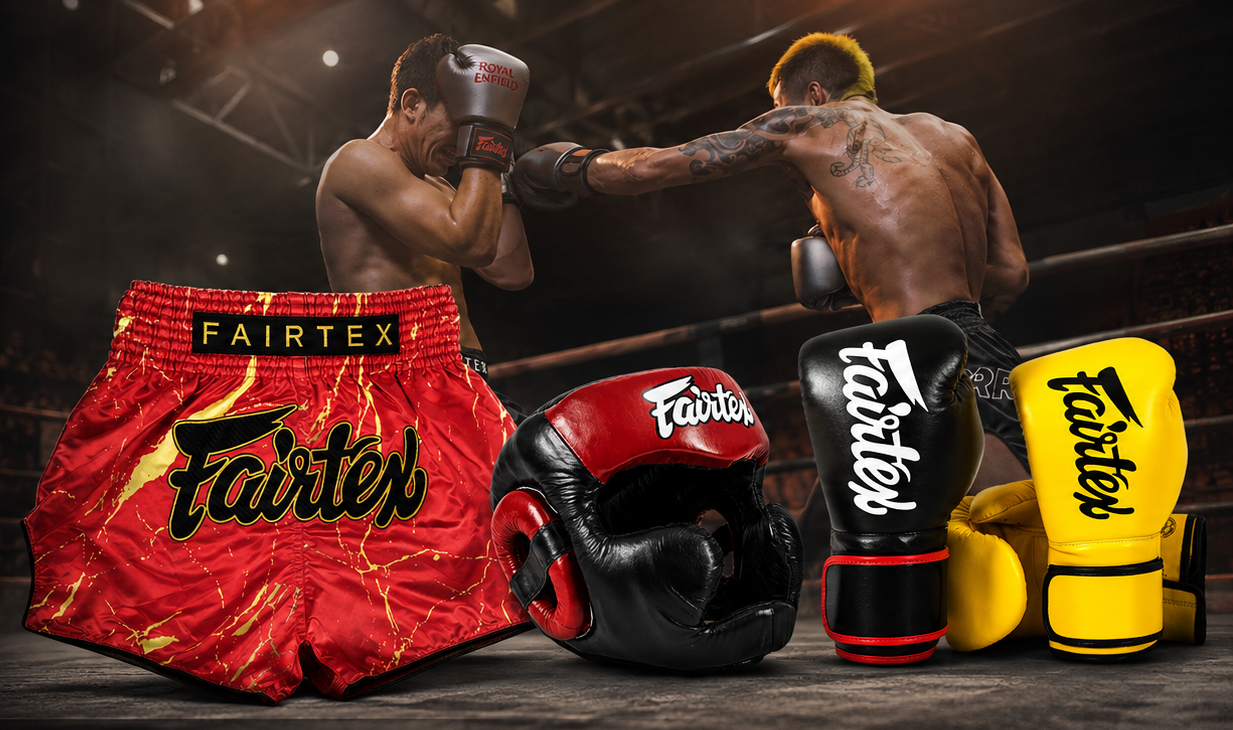
- Trusted brands like Fairtex, Twins, and Top King are more expensive but offer better materials, fit, and longevity.
- Budget brands may work for beginners, but often wear out quickly or lack proper padding.
Training Intensity and Experience Level
- Beginners: Prioritize full protection and durability over weight or sleek design.
- Advanced fighters: May prefer lighter gear that allows more mobility and precision.
- Sparring gear should always have extra padding for safety.
Where to Buy Kickboxing Gear
There are many options online, but make sure you are buying from a reputable supplier. One great place to start is BullSports, which offers a wide selection of high-quality gear for all levels. Look for platforms that provide:
- Sizing guides
- Customer reviews
- Easy returns and exchanges
[/vc_column_text][vc_separator css=””][vc_column_text css=””]
Care & Maintenance Tips for Long-Lasting Gear
Your gear is an investment. Proper care not only saves you money but also keeps your training hygienic.
Cleaning Tips:
- Gloves & Shin Guards: Wipe them down after every session with a damp cloth and use a disinfectant spray. Let them air dry thoroughly, never store them wet.
- Mouthguard: Rinse after each use and clean weekly with a toothbrush and mild soap.
- Wraps: Wash regularly in a mesh laundry bag to avoid tangling or stretching.
When to Replace Gear:
- Gloves: Every 6–12 months, depending on usage
- Mouthguards: Every 3–6 months
- Shin guards and wraps: When padding breaks down or stitching comes loose
Storage Tips:
- Keep your bag open after training to let the gear dry
- Avoid closed containers or car trunks where bacteria and odor can build up
- Use gear deodorizers or charcoal packs to help absorb moisture
[/vc_column_text][vc_separator css=””][vc_column_text css=””]Protective gear is not just about safety, it is about training smarter, harder, and longer. Whether you are brand new to kickboxing or a seasoned striker, the right equipment builds your confidence and helps you reach your goals injury-free. So gear up properly, take care of your equipment, and let your focus stay where it belongs, on getting better, one session at a time.[/vc_column_text][/vc_column][/vc_row]